








Gardens of Meaning
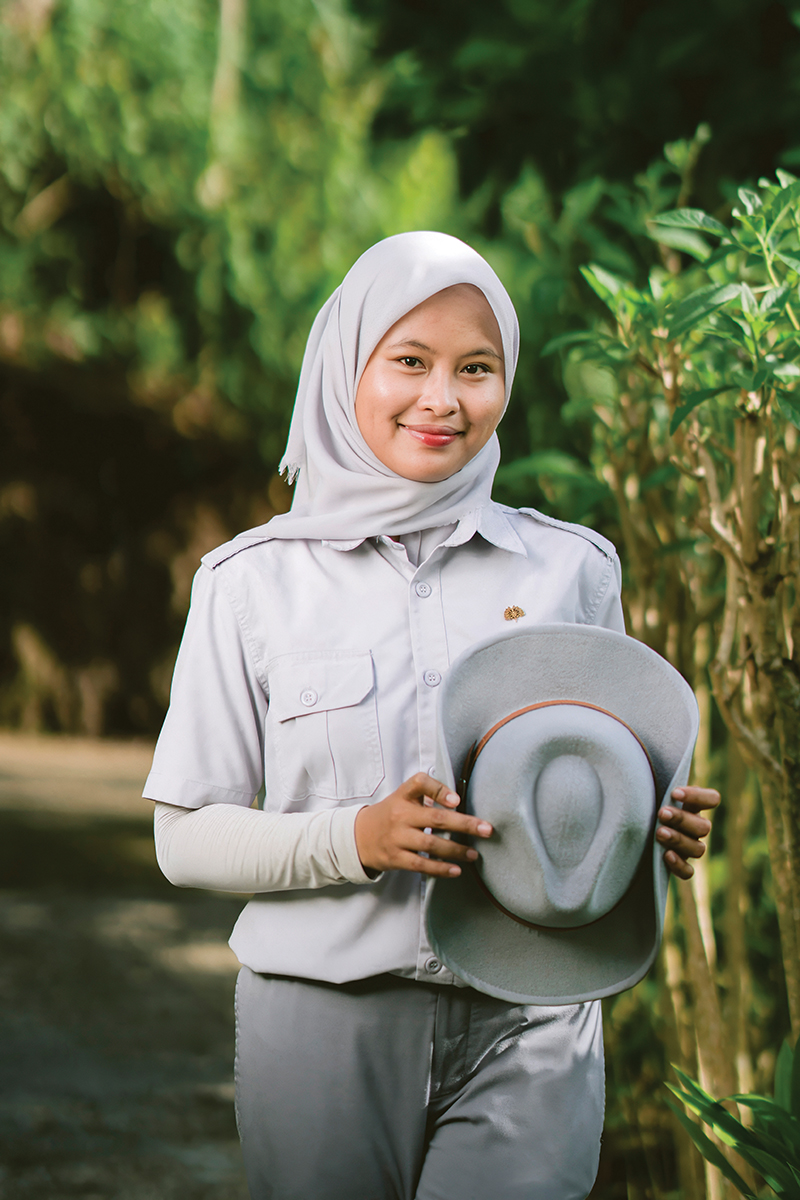
As the Botanical Guru at Raffles Bali, Rahmadilla Antoni invites guests to discover the deeper stories behind the resort’s lush landscape. Through immersive tours and thoughtful storytelling, she reveals how plants, culture, and ecology intertwine in Balinese life.
Q: Could you tell us a little about your background and how your journey with plants began?
A: My background is in landscape architecture, where I developed both the technical foundation and a deep appreciation for how landscapes shape human experience. My journey with plants began at university, but it truly deepened through hands-on work in garden maintenance and resort landscapes. Working closely with nature every day allowed me to see plants not just as design elements, but as living systems that connect culture, ecology, and wellbeing.
Q: What inspired you to take on the role of Botanical Guru at Raffles Bali?
A: The role offered a rare opportunity to combine education, storytelling, and hospitality. Raffles Bali values meaningful guest experiences, and the Botanical Guru position allows me to share knowledge while creating personal connections between guests and nature.
Q: What makes the botanical programme here different from a typical garden tour?
A: This is not simply a walk through a garden; it is an immersive journey. Guests are invited to touch, smell, and even taste selected plants while learning about their cultural, medicinal, and ecological significance. We also introduce guests to our nursery, where many plants are grown, and our composting area, where organic waste is transformed into fertile soil. That soil nourishes our gardens again and is also shared with the Jimbaran community. The garden becomes both a living classroom and a thriving ecosystem.
Q: How do you select and care for the plants within the resort’s gardens?
A: Plant selection considers climate adaptability, ecological value, and cultural relevance. We prioritise species that thrive naturally in Bali’s environment, support local biodiversity, and reflect traditional uses.
Q: How do Balinese traditions influence the stories you share during the tour?
A: Balinese culture views nature as deeply interconnected with spiritual life. Many plants used in daily offerings, traditional medicine, and ceremonies carry symbolic meanings. During the tour, these cultural perspectives help guests understand that gardens in Bali are not only aesthetic spaces but also expressions of harmony between humans, nature, and spirituality.
 Q: In what ways does the programme support sustainability and biodiversity?
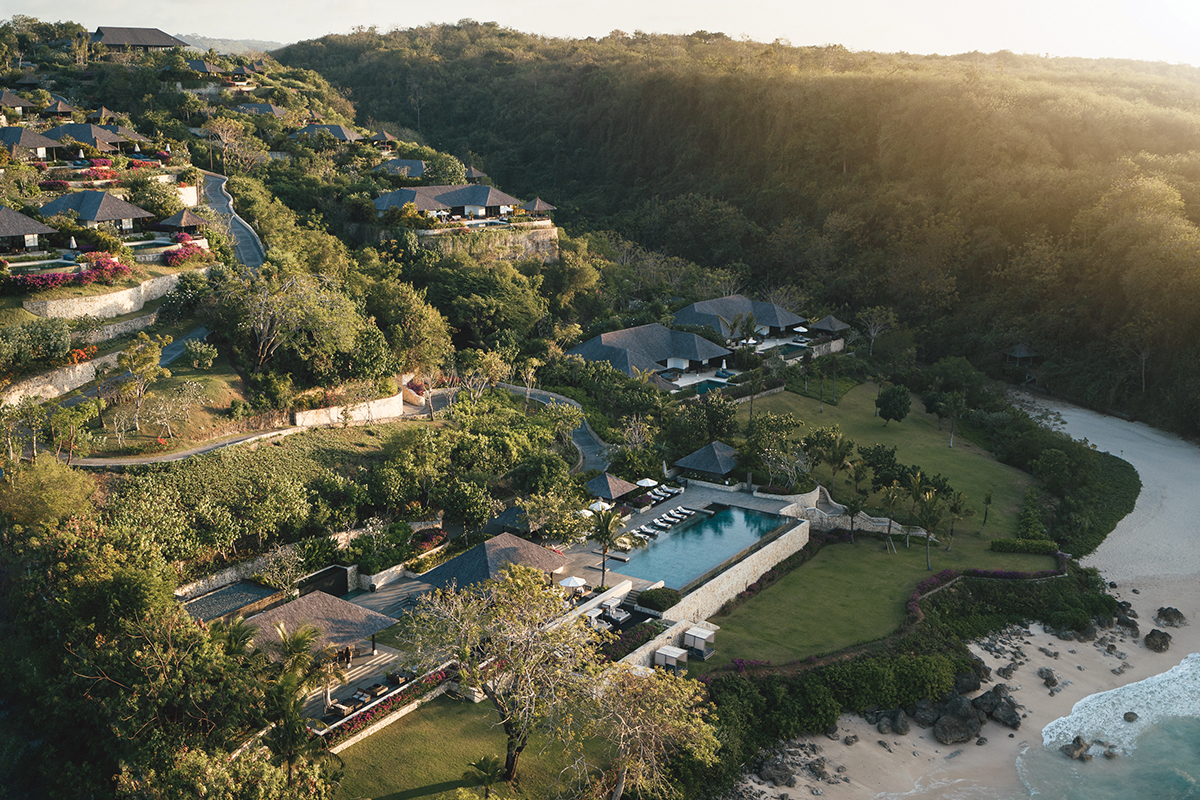
A: The programme raises awareness of native plants, pollinators, and ecological balance. Our biodiversity naturally attracts birds and butterflies, which led us to create the Birds & Butterflies Watching programme, a rare experience in South Bali. The gardens function as small ecosystems that support insects, birds, and pollinators, demonstrating how hospitality and conservation can coexist.
Q: Why is the stingless bee hive such an important part of the experience?
A: The stingless bee hive at our Farm Garden is a highlight of the tour. These gentle pollinators are safe to observe closely and play a vital role in sustaining ecosystems. Their honey is distinctive, tangy, and complex; it also creates a beautiful moment for guests when they realise that the natural honey served at breakfast at Rumari comes from these very hives. Even the smallest creatures play an extraordinary role in sustaining life.
Q: What do you hope guests feel or learn after joining the botanical tour?
A: I hope guests leave with a renewed sense of curiosity and respect for nature. Even small encounters with plants can shift how people see their environment. Ideally, the experience inspires mindfulness and a deeper awareness of how interconnected human life is with the natural world.
Q: What has been the most meaningful part of this journey for you personally?
A: The most meaningful moments are when guests experience genuine discovery, noticing a plant they had never seen before or reconnecting deeply with nature. For couples who marry at the resort, we also invite them to plant a rosewood tree within our garden area, known as the Tree of Love, symbolising strength and enduring relationships. Seeing those trees grow alongside the couples’ stories is deeply rewarding.
Q: What is one special plant here that guests should not miss, and why?
A: The Traveller’s Palm is a must-see. It is one of over 110 species within our gardens, but it holds special meaning as the inspiration behind the Raffles Hotels & Resorts symbol.
Asia Dreams Volume 59
Raffles Bali
Jalan Karang Mas Sejahtera 1A, Jimbaran
Bali 80361, Indonesia
T: (+62) 3612015800
E: bali@raffles.com
W: raffles.com/bali
IG: @rafflesbali