








A Leadership Built on Trust
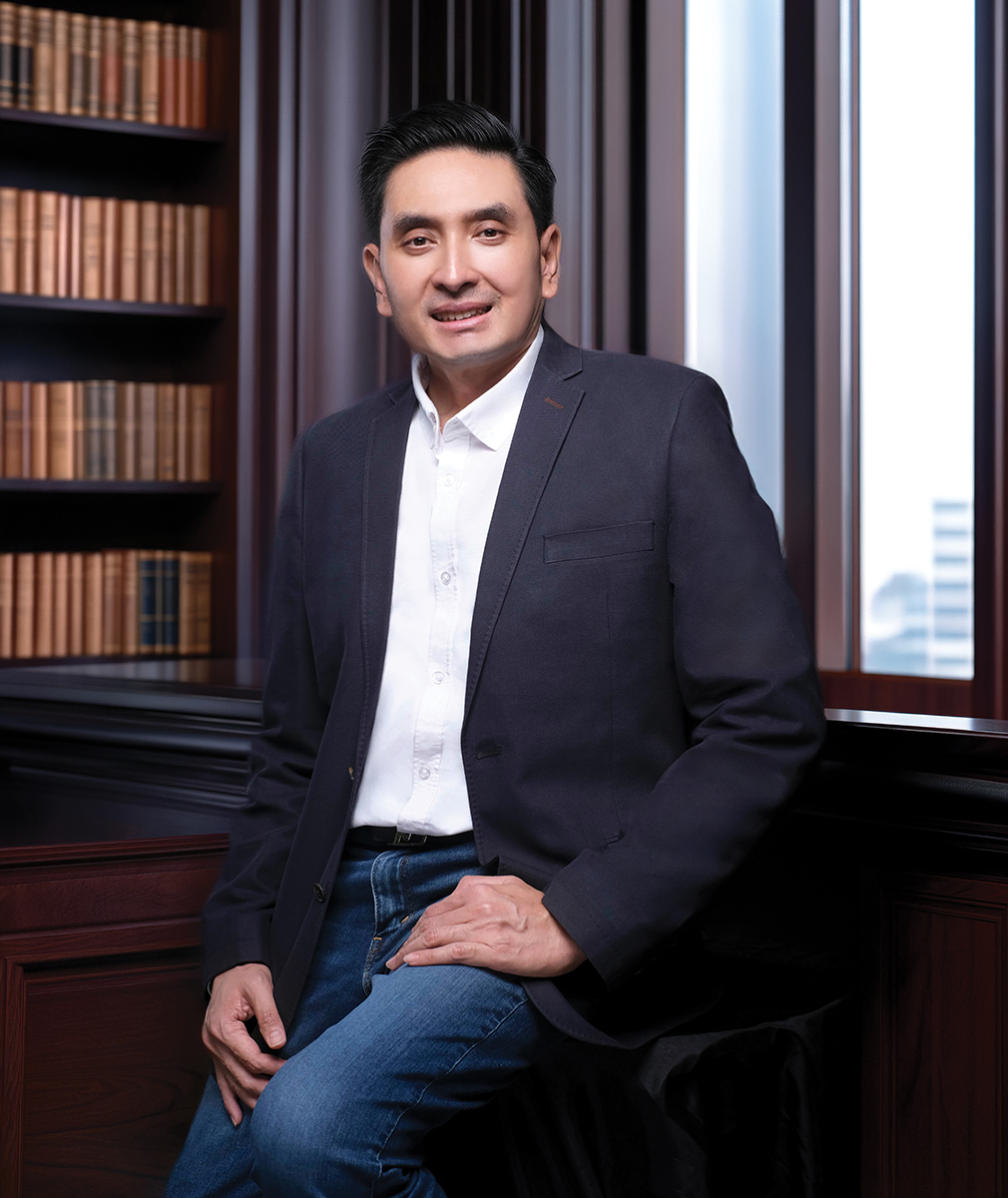 Dicky Sumarsono believes that successful hospitality begins with a simple principle: deliver on what you promise. That philosophy has guided his journey from hotel operations to building Azana Hospitality into one of Indonesia’s leading domestic hospitality networks. Today, he sees significant potential in emerging cities, while recognising that growth must be matched by investment in talent. As Azana prepares to enter Malaysia and Vietnam, Dicky shares his vision for the company’s future.
Q: After more than 25 years in hospitality, which values have remained at the heart of your professional journey?
A: Integrity has always been my anchor. A capable leader without honesty can become a serious risk to any business. Throughout my career, I have followed a simple principle: never make a promise you cannot keep. Hospitality is built on trust, and that trust extends beyond the guest experience to how we manage a property and deliver on our commitments. Hotels rarely struggle simply because of competition. More often than not, problems arise when what is promised does not match what guests experience. Once that gap appears, credibility is difficult to recover. Leadership, ultimately, is about your decision and whether people can trust them.
Q: Which experience has had the greatest influence on the leader you are today?
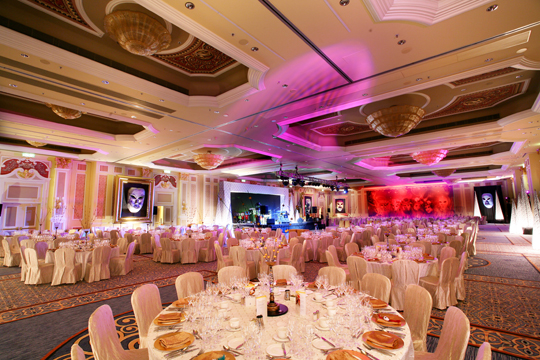
A: Early in my career, I managed a 200-room hotel with one of the largest ballrooms in its market. Leading people who were older and more experienced than I was taught me humility. I learned that leadership is not about being the most experienced person in the room, but knowing how to bring different strengths together. Later, as Azana grew to nearly 100 properties, I worked with owners who had considerable influence and resources. Those experiences reinforced the importance of listening, staying grounded, and having the confidence to make decisions when they matter.
Q: With the industry evolving rapidly, where do you see the greatest opportunities and challenges for hospitality today?
A: Established destinations such as Bali and Jakarta are already highly saturated, which puts considerable pressure on room rates. I see stronger opportunities in secondary and tertiary cities, where economic activity is growing, but the supply of quality hotels has not always kept pace. Kediri and Singkawang are good examples of markets with room for growth. Our approach is to enter these cities with well-positioned properties and focus on performance rather than competing on price. At the same time, this expansion brings another challenge: talent. Regional hospitality is growing quickly, but the availability of skilled professionals, particularly in areas such as finance and digital commerce, has not kept pace.
Q: How would you describe your leadership philosophy, particularly when it comes to building and empowering your team?
A: Good leadership requires making decisions quickly. In hospitality, a guest issue can develop and be resolved within minutes, sometimes seconds. Waiting too long can turn a small problem into a bigger one. That is why I believe in empowering people at the front line. We provide clear operational guidelines and systems, but our general managers also need the authority to act without constantly having to refer matters back to head office. When people understand what they are responsible for and have the confidence to make decisions, the operation becomes more responsive, and the guest experience improves.
 Q: Through your work at Victoria Hotel School, how do you hope to shape the next generation of hospitality talent?
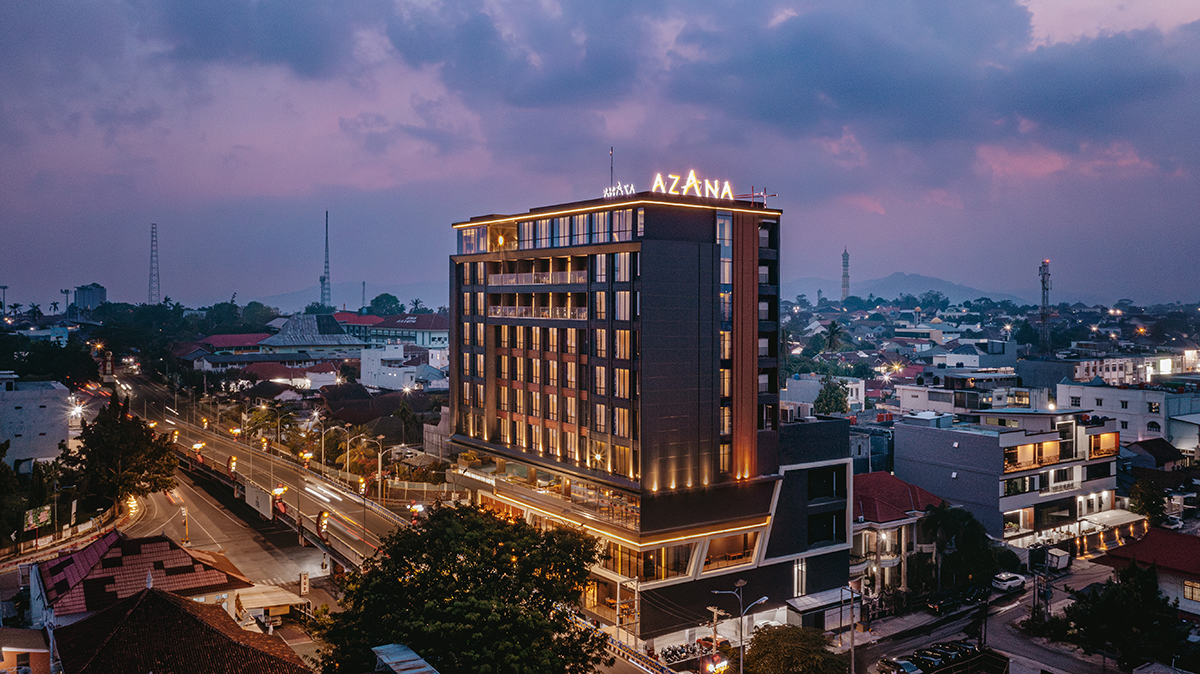
A: Victoria Hotel School was established in 2010 to bridge the gap between classroom theory and the realities of working in hospitality. We want our graduates to be ready to contribute from the moment they enter a hotel, rather than spending months learning the fundamentals on the job. As the industry changes, so does the programme. Students still learn the foundations of hotel operations, but they are also introduced to areas such as artificial intelligence and digital marketing. The industry is evolving quickly, and we want young professionals to leave with a solid understanding of hospitality and the tools they will need for its future.
Q: Looking ahead, what vision do you have for Azana Hospitality and its next chapter?
A: Our ambition is to remain Indonesia’s leading domestic hotel operator. We have built a focused, multi-brand portfolio, spanning economy to premium leisure, designed to generate consistent returns while strengthening the value of the group. We will continue to look beyond major destinations to secondary and tertiary cities where multinational brands are often less active and opportunities remain. The next step is regional expansion. We are preparing to take Azana beyond Indonesia, with Malaysia and Vietnam as our initial markets. By 2029, we aim to introduce the Azana brand in Southeast Asia and lay the foundation for further growth.
Asia Dreams Volume 60
Azana Hospitality
Jalan Dr. Cipto Mangunkusumo
Solo 57139, Indonesia
T: (+62) 2712932725
E: cs@azanahotel.com
W: azanahotel.com
IG: @azanahospitality